How much does solar energy cost?
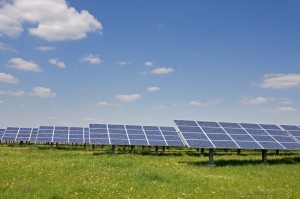 An average residential solar system costs between $15,000-$25,000 after solar rebates and solar incentives. Considering that you will probably spend over $72,000 in electrical bills over the next 25 years, this can be a small price to pay. Some companies even offer solar lease options in which you pay no out-of-pocket expenses for the installation.
The exact cost of solar for your home will depend on the applicable California solar rebates and utility incentives available in your area and the type of solar installation you chose. Using a qualified installer who is familiar with the local incentives and permitting process will ensure that you get the most from your investment.
Are there any government tax incentives or rebates?
One of the great elements of solar power in the U.S. is that there are large number of tax incentives and rebate programs that exist to make it easier to afford solar power for your home. The solar installer that you select will be up to date on all of the applicable incentives based on where you live but below are some of the basics:
- Federal Tax Credit: Investment Tax Credit (ITC) allows individuals to deduct 30% of the cost of a solar system from individual federal income taxes;
- Individual State Rebates: Many states offer cash rebates that are either flat amount or are based on the size of your solar power system - check out the U.S. governments Database of State Incentives for Renewables & Efficiency for more information on the rebates in your particular area;
- Property Tax Exemptions: Many states also specifically exclude the value a solar energy system from your your annual property taxes… for example, if a new solar power system adds $30,000 to the value of your home, that $30,000 will be exempted from the total assessed value and your property taxes will not increase as a result of the new system.
- Municipal and Utility Rebates: In addition to the federal and state incentives, many local municipalities and utilities will offer rebates on top of everything else…please check out Database of State Incentives for Renewables & Efficiency for any incentives in your specific area.
What are the current California solar rebates and how do they work?
The tremendous success of solar in California is large part due to the enormous solar rebate and incentive programs put in place by the state government. In fact, California has the largest solar rebate program in the U.S. and it operates like this:
First, you must be a customer of a utility company that participates in the state solar incentive program, the California Solar Initiative (CSI). While PG&E, SCE and SDG&E are the biggest participants, the CSI was expanded in 2006 to include small municipal utilities.
Second, for residential and commercial solar energy systems less than 30 kWh, the CSI program offers an Expected Performance Based Buydown, or EPBB, where the applicant receives the entire incentive payment at the time the system is installed, and the payment is based on expected electrical output of the system.
To figure out what your EPBB payment is per watt, you need to determine what step you are qualified. For example, under PG&E, non-residential customers are currently a step 8 and residential customers are a step 7 which means that the EPBB payment per watt is $0.35 and $0.65 respectively. You’ll notice that the EPBB payments decline by step which is due to the fact that the amount of money available under the CSI is finite and lessens as more and more people access CSI for their own solar project.
For larger solar installations (greater than 30kW), the CSI offers Performance-Based Incentives (PBI). Unlike the EPBB, with a PBI rebate, the applicant receives a portion of the incentive payment every month over a period of five years and the payment is based on the actual metered output of the system. Typically, only large scale businesses or commercial systems benefit from a PBI rebate although the EPBB payment and the PBI payment are intended to be financially equivalent.
To see how California solar incentives might work for a residential solar system, please see the chart below:
Does California have any tax incentives to adopt solar power?
California used to offer tax credits for solar installations, however, these credits were phased out at the end of 2005 as the CSI was implemented. As a result, the overwhelming bulk of California solar power incentives are achieved through the CSI rebate program.
California does exempt the value of a renewable energy source from a property owner’s property taxes. Unlike other home improvements, you will not have to pay increased property taxes even though the value of your home will increase with the installation of CA solar panels.
Is California a “net metering” state?
In short, the entire state of California has a net metering policy. This basically means that you only pay for the net amount of electricity that you use. With net metering, homeowners with solar installed are able to “bank” the excess electricity their solar system generates and receive credit up to 100% of their electric use bill at the full retail electricity price that they can use later. Again, making it cheaper to afford solar panels for your home.
If I can not afford an up front payment for a solar power system, are there financing options to help me?
Yes, our partners offer a variety of great financing options to help offset some of initial installation costs. In some cases, your monthly payment will be less than the amount of savings on your electric bill. Low interest rates are available and the solar system increases the value of your home. Again, the your solar installer will have all of the details on the available solar financing options but make sure you ask about the following:
- Home Equity Loans: borrowing against the equity of your home;
- Solar Lease: leasing the solar panels for a fee over a set length of time; and
- Power Purchase Agreement: an arrangement similar to a lease arrangement where the solar provider/installer secures funding on their own for the solar project, installs the solar system in your home/office building and then sells the electricity from the solar system to the home/building owner at a fixed contractual price for a set length of time.
**Interested in a $0 electrical bill? Click here to get a free California solar assessment from pre-certified installers in your area!**